A Visitor History of Niagara Falls and the Parklands
Understand why the falls, gorge, and river corridor became one of Canada’s most recognized public landscapes.
Plan an informed visit to Niagara Falls, Journey Behind the Falls, White Water Walk, Butterfly Conservatory, botanical gardens, scenic viewpoints, dining areas, and seasonal natural highlights.
12 In-Depth ArticlesThis website is an independent editorial resource. It is not affiliated with, sponsored by, endorsed by, or operated by Niagara Parks or the Niagara Parks Commission. We do not use official logos, sell tickets, process bookings, or represent official visitor services.
Niagara Parks protects and interprets a remarkable corridor of waterfalls, rapids, gardens, heritage sites, trails, and scenic parkland along the Canadian side of the Niagara River. This guide explains the major experiences and practical choices so visitors can understand the area before consulting official schedules and availability.
Keyword-rich independent explainers covering natural history, major attractions, seasonal conditions, dining, scenic routes, and practical visitor decisions.
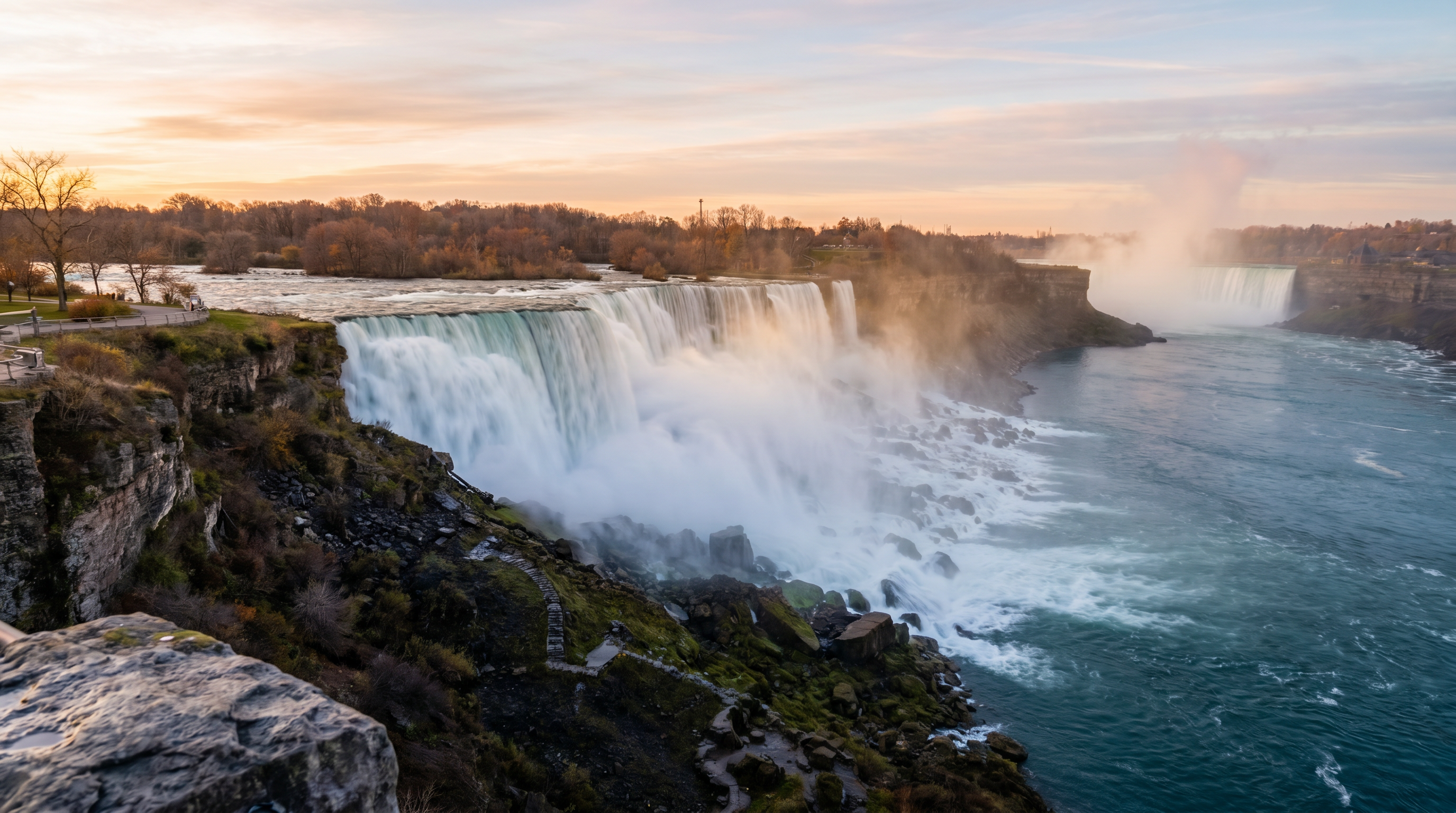
Understand why the falls, gorge, and river corridor became one of Canada’s most recognized public landscapes.
A practical orientation to tunnel viewpoints, lower observation areas, mist, sound, timing, and weather-sensitive planning.
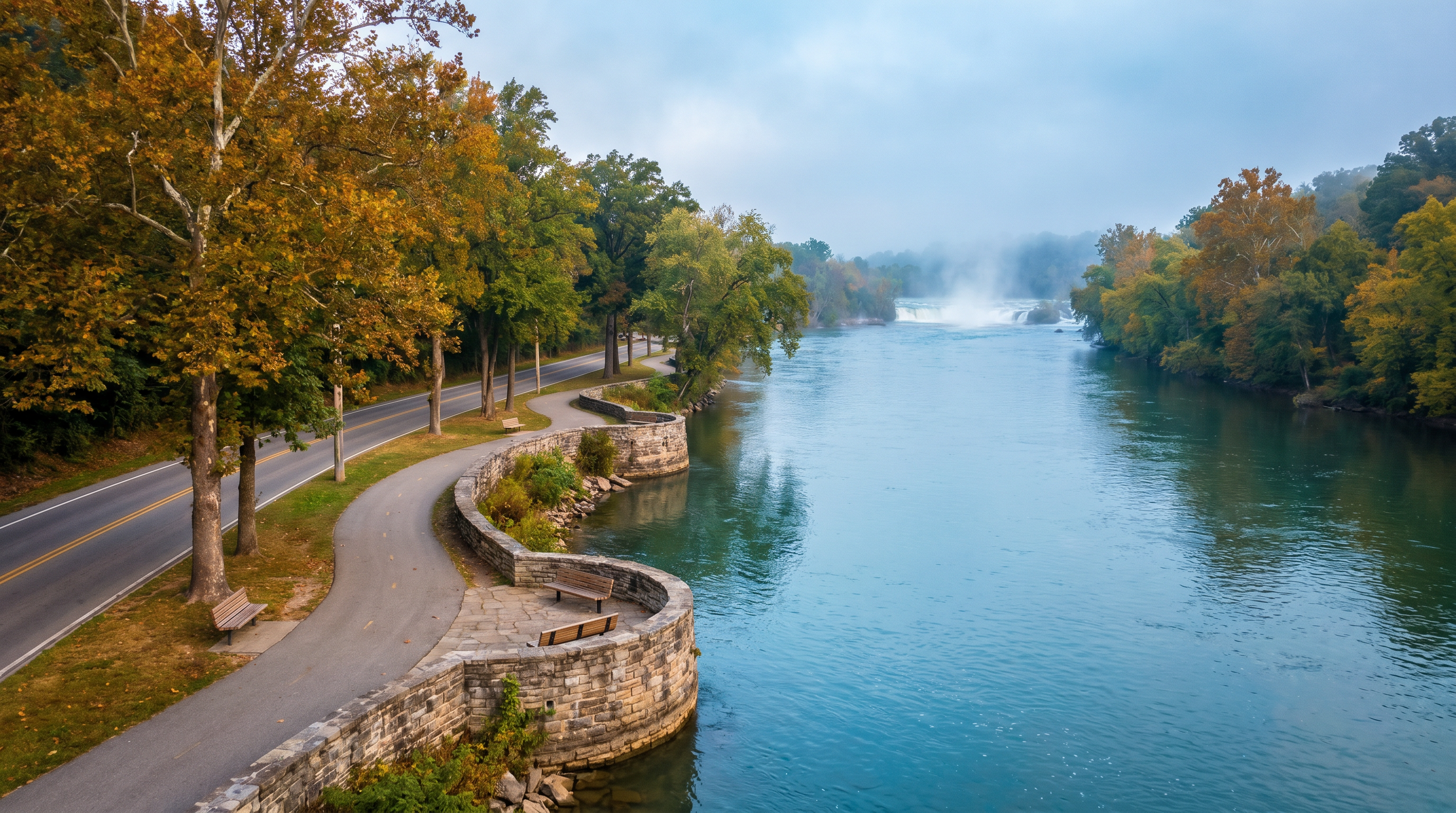
Learn how boat cruises fit into a falls itinerary, including mist exposure, boarding flow, photo timing, and seasonal operation considerations.
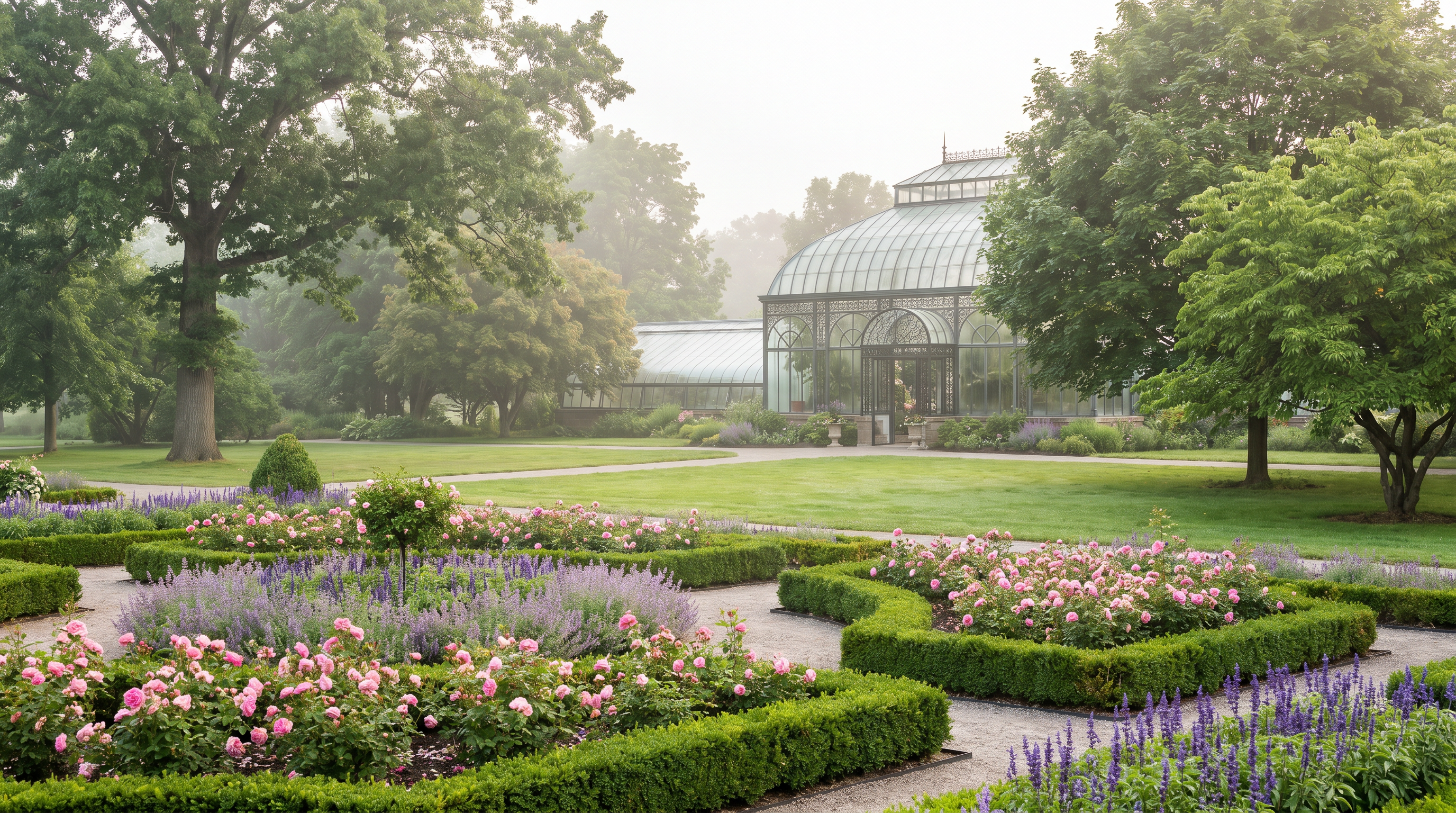
Combine tropical butterflies, formal gardens, rose displays, shaded paths, and slower-paced nature stops away from the busiest overlooks.
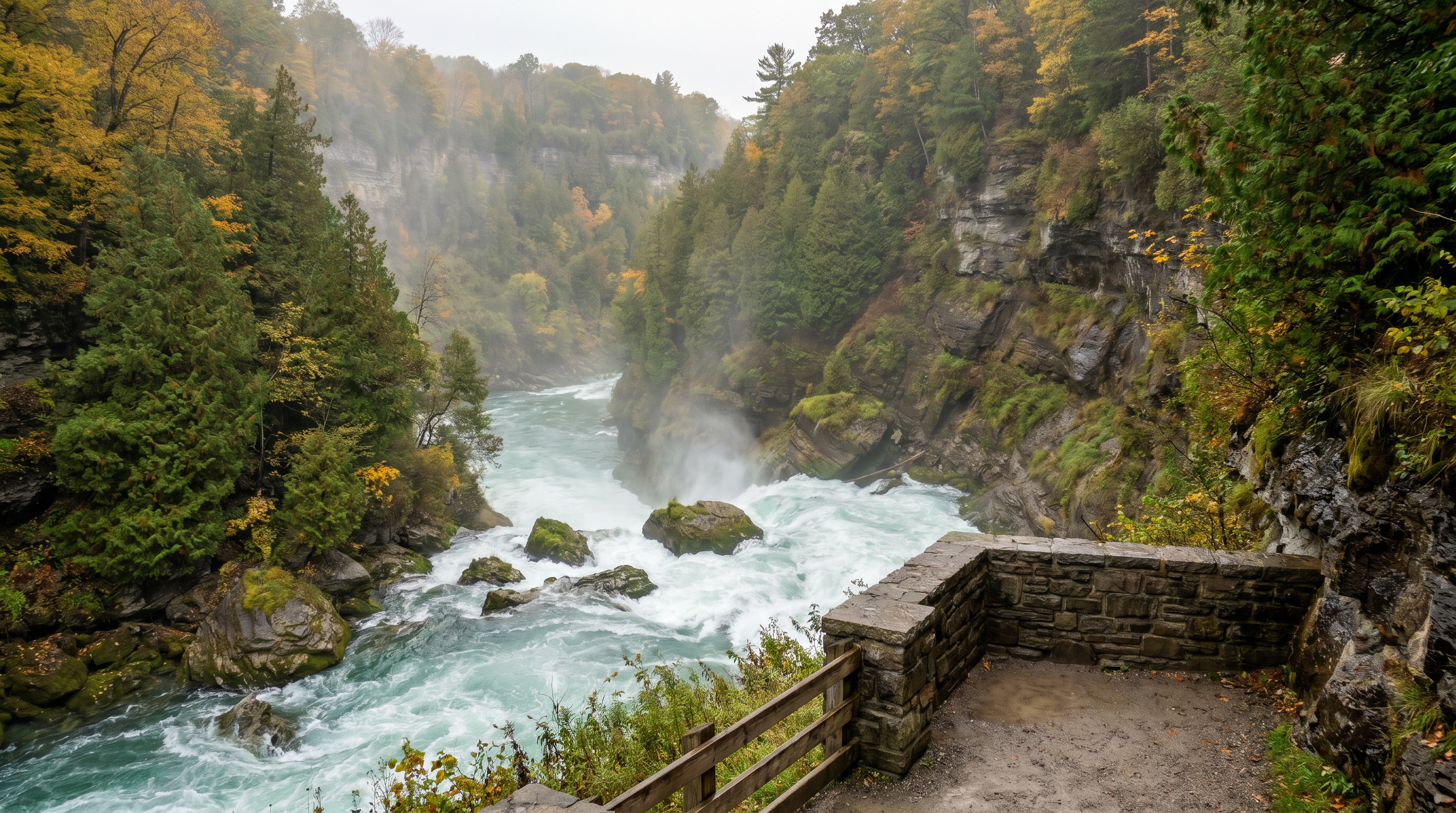
Explore why the boardwalk beside the rapids gives visitors a different perspective from the waterfall brink.
Use indoor interpretive attractions strategically when rain, wind, crowds, or cold weather change an outdoor itinerary.
Consider sightlines, comfort level, weather, and how the zipline fits with quieter park experiences.
A slower guide to Niagara’s planted landscapes, including spring blooms, summer colour, and autumn textures.
Use the parkway as a landscape itinerary linking falls viewpoints, gorge stops, gardens, heritage areas, and riverside pull-offs.
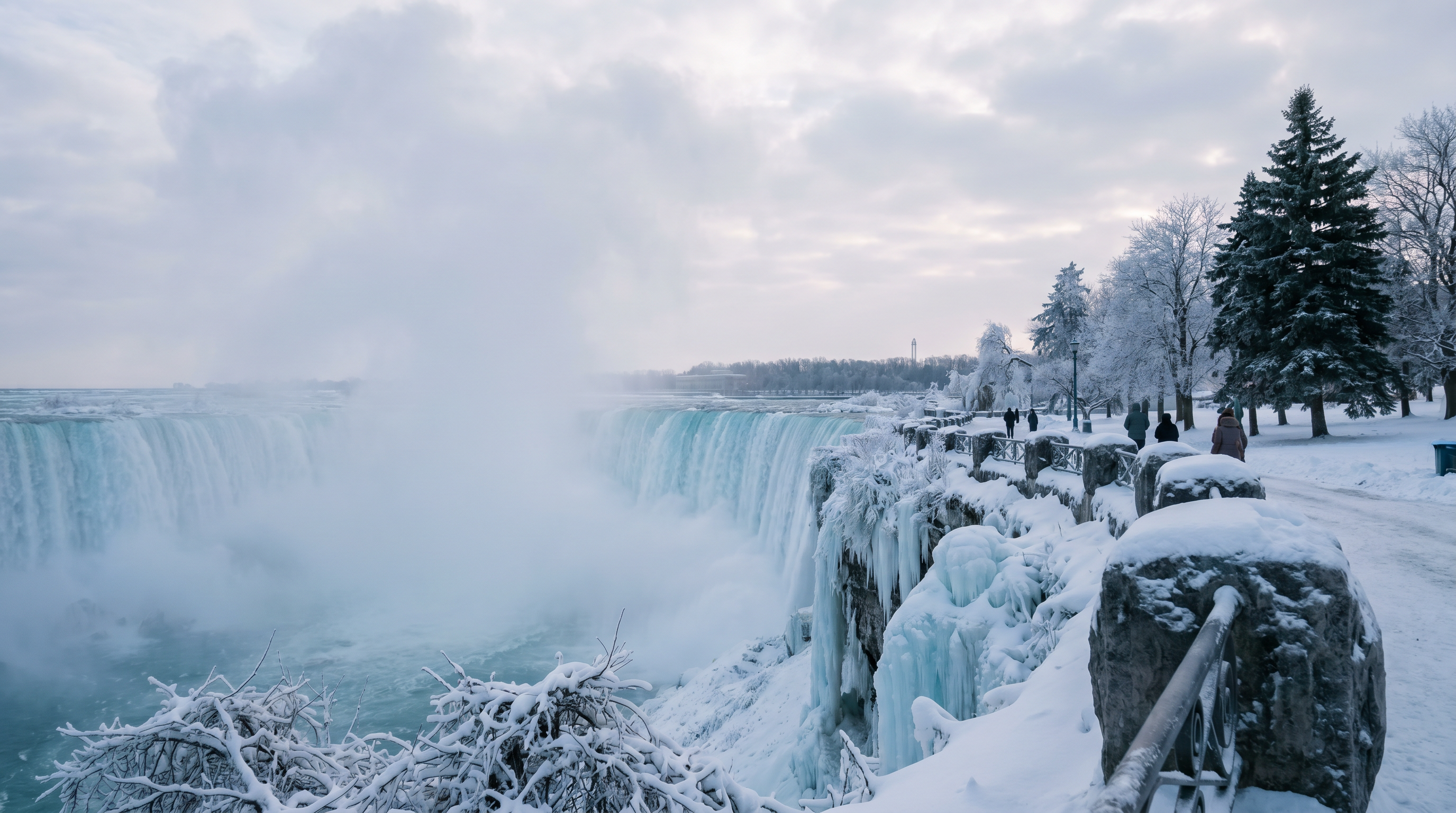
Match expectations to each season, from frozen spray and quiet paths to high-season viewpoints and fall foliage.
Treat meals, indoor breaks, washrooms, and viewing time as part of the itinerary rather than afterthoughts.
Prepare for mist, walking distances, changing weather, accessibility needs, photography, parking choices, and official schedule checks.
Simple planning habits can make the Niagara River corridor easier to experience, especially when mist, crowds, temperature, and daylight change quickly.
Waterproof layers, lens cloths, and secure bags are useful near the brink, boat areas, and lower observation platforms.
Attractions, restaurants, shuttles, and seasonal experiences can vary by month, weather, maintenance, and capacity.
Viewing areas can be close together on maps but slower in practice because of crowds, stairs, traffic crossings, and photo stops.
Mist and river wind can feel cooler than nearby streets, while summer pavement and exposed overlooks can feel much warmer.
Use a wrist strap, wipe lenses often, and consider shooting early or late for softer light and fewer shoulder-to-shoulder viewpoints.
Rapids, icy paths, wet railings, and cliff edges require caution. Follow posted safety guidance and use maintained viewpoints.
Niagara Parks changes month by month, from frozen spray and quiet winter trails to spring bloom, peak summer energy, and autumn colour along the gorge.
Frozen spray, icy branches, quieter paths, and dramatic mist make winter photography memorable when conditions are safe.
Cold-weather views remain striking; build in indoor breaks and verify attraction hours before travelling.
Late-winter thaw and variable weather create mixed conditions, so waterproof footwear and flexible plans are valuable.
Spring flowers begin to appear, daylight expands, and gardens gradually become more rewarding between showers.
Blooming landscapes, comfortable temperatures, and pre-summer crowds make May a strong month for balanced itineraries.
Longer days support full schedules with falls viewpoints, gardens, gorge stops, and evening walks.
Peak summer brings the most energy and the heaviest demand; reserve extra time for lines, transit, meals, and heat.
Warm evenings, full visitor services, and busy viewpoints reward early starts and late-day pacing.
Late-summer warmth often continues while crowds ease, making the parkway and gardens especially pleasant.
Autumn colour frames the gorge, parkway, and gardens; cooler weather makes walking routes more comfortable.
Shorter days and variable weather favour compact itineraries, indoor interpretation, and layered clothing.
Winter lights, mist, and early ice formations can create a special seasonal atmosphere around the falls corridor.
Answers to common planning questions for an independent, information-only Niagara Parks visit.